The Most Popular Jamaican Food in Denver Right Now
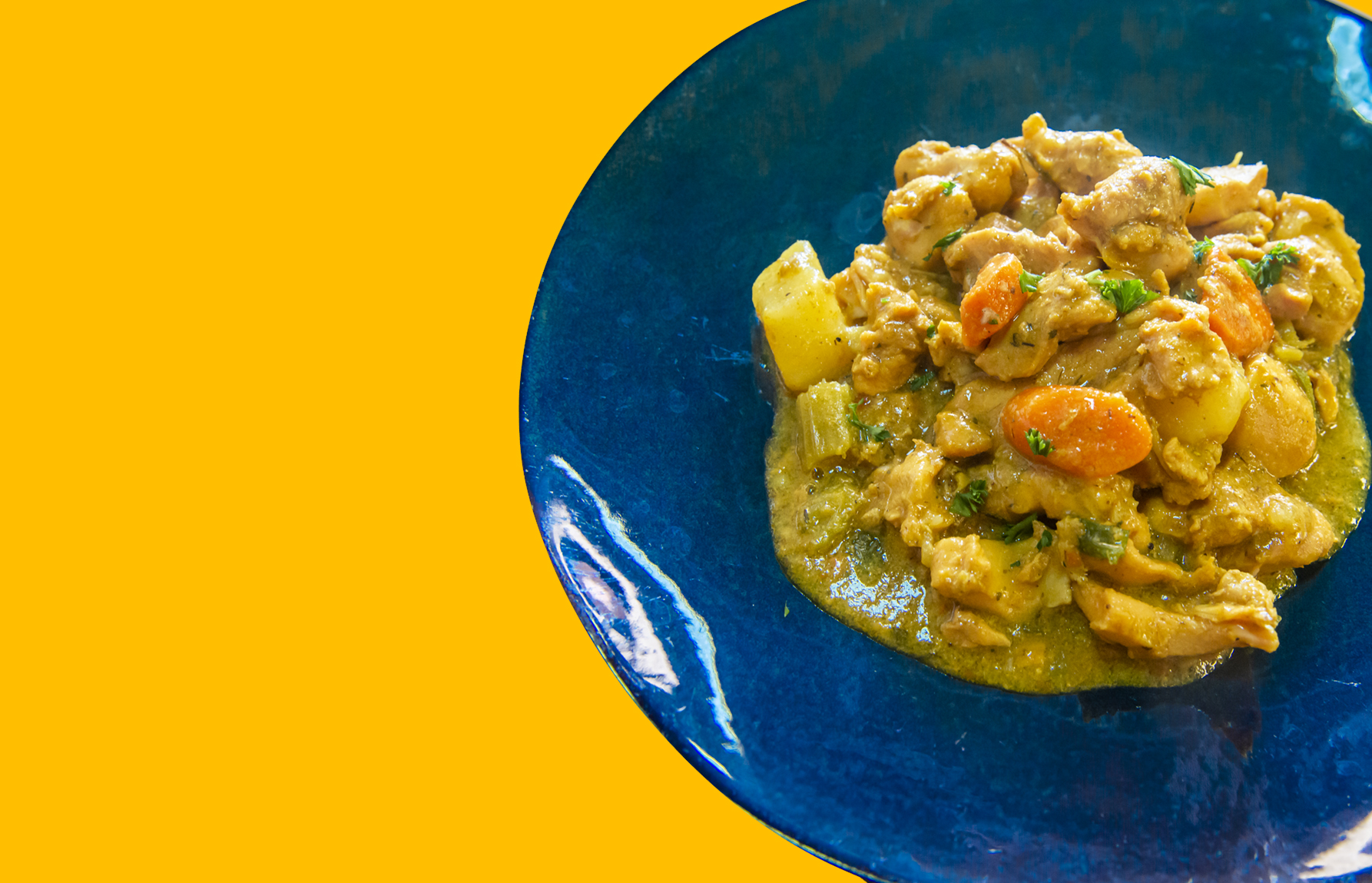
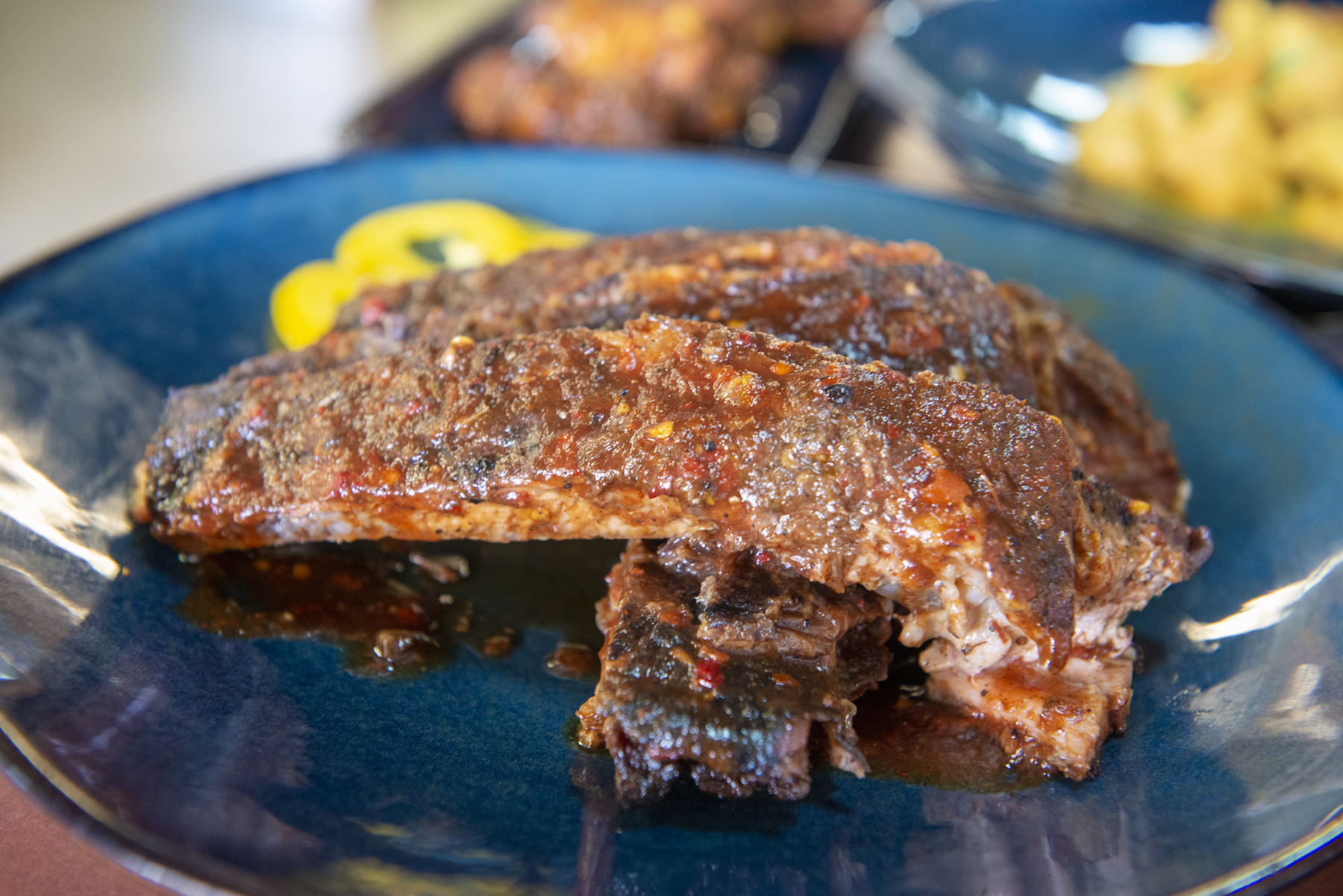
Denver has become a surprisingly good city for Caribbean cooking, and Jamaican food has found a real audience here. Part of that comes down to the obvious appeal. When the weather turns cold, people want food with heat, depth, smoke, and comfort. Jamaican cooking delivers all of that at once. It is bold without being one-note, rich without always feeling heavy, and familiar enough to welcome newcomers while still carrying a distinct identity on the plate.
The phrase jamaican food denver used to mean a short list of places that regulars guarded closely. That has changed. More diners now know what jerk seasoning actually tastes like beyond bottled marinades, more people understand the difference between curry goat and brown stew chicken, and more kitchens are putting serious care into staples that used to get treated like side notes, especially rice and peas, cabbage, plantains, and patties.
If you want to understand what is popular right now, it helps to look beyond the single most-ordered dish. Popularity in Jamaican food tends to follow a pattern. First, people come for jerk chicken because it is the entry point. Then they branch out into oxtail, curry goat, escovitch fish, beef patties, and soups. Finally, they become the diners who start asking specific questions about the spice level, the cut of meat, the smokiness, or whether the gravy has enough depth. That progression is happening all over Denver, and it says a lot about where the city’s food scene is right now.
Why jerk chicken still dominates
No dish has more pull than jerk chicken. That is true in most American cities with a growing Jamaican food scene, and Denver is no exception. It remains the first thing many customers order, and for good reason. Done properly, jerk chicken checks every box people want from a memorable plate. It brings chile heat, allspice warmth, thyme, garlic, scallion, ginger, and a dark savory edge from grilling or roasting. Good jerk is not just spicy. It should taste layered, aromatic, and a little wild.
In Denver, the most popular versions tend to fall into two camps. One leans smoky and charred, with visible caramelization and a firmer exterior. The other comes in slightly saucier, with more marinade clinging to the meat and a softer finish. Both can be excellent. What matters most is balance. Too often, lesser versions rely on heat alone and flatten everything else. The best plates let you taste the allspice and herbs before the scotch bonnet sting catches up.
Jerk chicken also suits the way Denver eats right now. It works as a fast lunch, a casual takeout dinner, or the centerpiece of a larger spread. It reheats better than many grilled dishes, which matters in a city where delivery and pickup still drive a lot of weeknight business. It also pairs easily with familiar sides, so even cautious diners can build a plate they understand. Rice and peas on one side, cabbage on the other, maybe a plantain or two, and the whole meal feels complete.
One thing experienced diners notice quickly is whether a restaurant respects the dark meat. Jamaican cooking often shines brightest when the kitchen embraces chicken thighs, legs, and quarters rather than trimming everything down to breast meat for convenience. Dark meat carries spice better, stays moist longer, and stands up to grilling. In the best Denver kitchens, jerk chicken tastes like a dish that was built around flavor first, not around what might seem easiest to sell.
Oxtail has become the splurge order
If jerk chicken is the everyday favorite, oxtail is the dish people talk about afterward. Its rise in popularity has been impossible to miss. Years ago, ordering oxtail in many American cities felt like insider behavior. Now it is often the first item diners ask about, and sometimes the first item to sell out.
That popularity comes with a catch. Oxtail is expensive to buy, labor-intensive to cook, and notoriously sensitive to shortcuts. A proper version needs time. The meat has to braise until it becomes tender without turning stringy. The sauce should be rich and glossy, usually carrying notes of thyme, onion, pepper, browning, and sometimes butter beans that absorb the braising liquid. When it arrives at the table, the dish should feel luxurious but not greasy.
Denver diners have shown they are willing to pay more for it, especially when the portion feels honest and the gravy is worth dragging every grain of rice through. A good oxtail plate gives you that exact moment when the meat slips off the bone and the sauce lands somewhere between stew and concentrated stock. It is deeply comforting food, and in a place with long winters and dramatic temperature swings, comfort has real value.
The trade-off is that not every restaurant can keep oxtail available all day. Supply costs fluctuate, and once a batch is gone, it is gone. That scarcity has actually added to the dish’s reputation. People tend to order it when they see it, and regulars know not to wait too late in the evening if they have their heart set on it.
Curry goat is winning over serious eaters
Curry goat has moved from specialist favorite to broader crowd-pleaser, which is one of the more interesting shifts in Denver’s Caribbean scene. For years, some diners hesitated because goat sounded unfamiliar or gamey. In practice, a good curry goat plate is one of the most approachable dishes on the menu. It is savory, deeply spiced, and usually gentler than jerk in terms of raw chile heat.
What makes Jamaican curry distinct is its mood. It is less about sharp heat and more about rounded spice, often with turmeric, coriander, cumin, garlic, onion, and Scotch bonnet in supporting roles. The best versions soak into the meat over long cooking, leaving it tender and fragrant rather than aggressive. The sauce should cling, not flood the plate.
Denver diners who want a step beyond chicken often land here first. Curry goat feels adventurous enough to be interesting and familiar enough to be comforting. It also rewards patience. Like oxtail, it is not a dish that can be rushed. Kitchens that cook it well tend to have a clear point of view about the rest of their menu too.
I have noticed that curry goat often tells you more about a restaurant than jerk chicken does. Almost everyone can produce a passable jerk profile. Fewer kitchens can make a curry that tastes complete rather than simply seasoned. When a plate has depth, when the sauce carries spice all the way through and the goat stays tender without turning mushy, that usually signals a kitchen that knows exactly what it is doing.
Patties are no longer just a snack
The Jamaican patty has become one of the smartest gateway foods in Denver. It is portable, affordable compared with larger entrées, and easy to understand at a glance. A flaky golden crust filled with spiced beef, chicken, or vegetables does not need much explanation. What has changed is that patties are no longer treated as an afterthought.
People now seek out good patties with the same seriousness they bring to dumplings, empanadas, or hand pies. They notice whether the pastry is crisp yet tender, whether the filling is moist without leaking, and whether the spice is integrated instead of dumped in for shock value. A proper beef patty should have a little crumble, a little juiciness, and enough seasoning to make it satisfying on its own.
In Denver, patties are especially popular at lunch and as add-on orders. Someone might come in for jerk chicken and leave with two patties for later. That secondary role matters more than it sounds. It turns a one-meal restaurant into a place people build into their week. A patty for now, one for the next morning, maybe cocoa bread if it is available, and suddenly the customer has moved from casual curiosity to routine loyalty.
The growth in demand has also raised expectations. A dry patty or a soggy crust is noticed immediately. Customers are better informed than they were even five years ago. Many have had Jamaican food in New York, South Florida, Toronto, or London, and they know what a strong version tastes like. Denver kitchens that meet that standard are earning repeat business fast.
Rice and peas, cabbage, and plantains matter more than outsiders think
One of the easiest ways to misread Jamaican food is to focus only on the protein. In reality, side dishes often determine whether a meal feels complete. People who eat this cuisine regularly know that an excellent entrée can be let down by bland rice, limp cabbage, or under-ripe plantains.
Rice and peas should do more than occupy space. Properly made, it carries coconut richness, thyme, and enough seasoning to stand on its own while still supporting sauces from the main dish. It should be tender but not mushy. The peas, often kidney beans in American restaurant service, should be integrated rather than scattered like decoration.
Steamed or sautéed cabbage plays a quieter role, but it is important. Its sweetness and light crunch offset rich gravies and pepper heat. When done well, it freshens the plate. When neglected, it tastes like filler. Plantains create another point of contrast. Their sweetness can mellow a hot jerk plate or bring balance to salty, savory braises. A properly ripened fried plantain should be caramelized on the edges, soft in the middle, and never oily enough to leave the fingers slick.
These details matter because Denver diners have become more discerning. The city is no longer in the phase where bold seasoning alone guarantees praise. Customers want a complete meal, not just one standout bite. That is healthy for the local scene. It pushes restaurants to treat every component seriously.
Brown stew chicken deserves more attention
Among regular Jamaican food eaters, brown stew chicken often inspires a kind of protective loyalty. It may not draw the same social media attention as jerk or oxtail, but it remains one of the most satisfying orders on the menu. It has the deep, home-cooked quality that turns first-time customers into regulars.
Brown stew chicken usually arrives with a savory gravy built from browned chicken, onions, peppers, herbs, and a carefully developed base. The flavor is gentler than jerk, less overtly celebratory perhaps, but no less skillful. It leans on patience and balance. The chicken should be tender, the sauce should taste cooked through, and the vegetables should feel integrated rather than tossed in at the end.
Why is it gaining attention in Denver now? Partly because diners are maturing in their tastes. Once someone has worked through the obvious headline dishes, they often start looking for what locals or staff members eat most often. Brown stew chicken is frequently that answer. It feels practical, generous, and quietly excellent, the kind of food people return to on an ordinary Thursday when they want dinner to be right.
Escovitch fish is carving out a niche
Seafood does not dominate Jamaican restaurant menus in Denver the way it might in coastal markets, but escovitch fish has earned real traction. At its best, it brings crisp fried fish together with a sharp, spicy vegetable topping, usually onions, carrots, and peppers in a vinegary dressing. The contrast is the whole point. You get crunch, acid, heat, and richness in one dish.
This is not always the first thing a newcomer orders, but it has a loyal following. Diners who like bright, punchy food gravitate to it, especially when they want a meal that feels substantial without relying on a heavy braise. In a city where fried chicken and barbecue often dominate comfort-food conversations, escovitch can feel like a refreshing change of pace while still delivering enough intensity to satisfy.
There is a catch, though. Fish exposes inconsistency quickly. If the fry is greasy, if the flesh is overcooked, or if the pickled topping lacks snap, the whole plate suffers. That is why the best versions stand out so clearly. When a kitchen gets it right, escovitch fish can become the dish that separates a competent Jamaican restaurant from a memorable one.
The drinks and sauces people ask for now
As Jamaican food becomes more familiar in Denver, customers are broadening their orders beyond the main plate. They ask for house-made hot sauces. They look for sorrel when it is in season, ginger beer year-round, and sometimes tropical sodas or fruit punches that fit the meal better than standard soft drinks.
This may sound minor, but it reflects a deeper change in how people eat. They are no longer just trying Jamaican food once. They are trying to build the full experience. That includes understanding which sauces belong where and when not to add anything at all. Good jerk, for example, should not need drowning. A serious hot sauce is there to sharpen or personalize, not rescue.
The same is true for desserts and breads when available. Rum cake, sweet fried doughs, and cocoa bread all have their audience. These items may not be the main drivers of popularity, but they deepen attachment. A restaurant becomes part of someone’s routine when there is always one extra thing they want to add to the order.
What Denver diners are looking for right now
Popularity is not just about tradition. It is also about what local diners value at https://www.google.com/maps?cid=11425353456438405488 a particular moment. Right now, several preferences are shaping Jamaican food orders across the city:
- Big flavor that still tastes balanced
- Portion sizes that justify premium prices on braised meats
- Sides that feel cooked with care, not treated as filler
- Takeout that travels well and reheats decently
- Menus that welcome first-timers without flattening the cuisine
That last point matters. Denver is full of adventurous eaters, but nobody likes feeling lost at the counter. The most successful Jamaican restaurants tend to strike a smart balance. They keep signature dishes visible, explain enough to invite new customers in, and still cook for the people who know exactly what they came for.
How to order if you want the best experience
If you are exploring jamaican food denver for the first time, a little strategy helps. Not every dish reveals itself in the same way, and not every hour of service gives you the same result. Braised dishes can get better as they sit. Fried items are best earlier in their window. Sold-out specials are often a positive sign, not a failure.
A practical first order might be jerk chicken or brown stew chicken with rice and peas, cabbage, and plantains. That gives you a sense of the kitchen’s range. On the next visit, move to curry goat or oxtail if available. Add a patty separately, rather than using it as a substitute for a full meal, because it tells you different things about the restaurant. If the place offers fish and you already trust the kitchen, then escovitch is worth trying.
There is also the question of spice. Many diners say they want the hottest possible version, then regret it halfway through the meal. Jamaican food should have personality, but heat should not erase everything else. If the staff tells you a sauce is serious, listen. The goal is to taste the dish, not prove a point.
Timing can matter too. A lunchtime visit often gives you the broadest menu availability, especially for braises that may sell out by dinner. On the other hand, a fresh evening batch of jerk coming off the grill can be outstanding. If there is one rule worth keeping, it is to ask what is especially good that day. Restaurants usually know when a particular tray, pot, or grill run is hitting perfectly.
Where the popularity is heading
The current favorites are not likely to disappear. Jerk chicken, oxtail, curry goat, and patties have too much momentum. What will change is the level of scrutiny diners bring to them. Denver customers are getting better at recognizing nuance, and that usually raises the standard for everyone.
I would also expect more attention to regional specificity and house style. Not every Jamaican kitchen seasons jerk the same way. Not every curry tastes alike. As the market matures, diners become more open to those distinctions. That is where things get interesting. Popularity stops being about a generic idea of “Caribbean flavor” and becomes about particular cooks, methods, and signatures.
That shift is already underway. People talk more about smoke level, gravy quality, side dish integrity, and the texture of a patty crust than they used to. Those are the conversations of a city that is no longer dabbling. Jamaican food in Denver has moved past novelty and into preference. It has become part of the regular dining rotation for a lot of people, which is the surest sign of all.
Right now, if you want to understand what is genuinely popular, start with the obvious stars, then pay attention to what regulars reorder. Jerk chicken draws the crowd. Oxtail creates urgency. Curry goat builds loyalty. Patties extend the experience beyond one meal. Brown stew chicken keeps people coming back on quieter nights. And the sides, when handled properly, remind you that Jamaican cooking is not just about heat or hype. It is about balance, care, and the kind of flavor that lingers in memory long after the plate is empty.
Reggae Pot Jamaican Grill
Address: 2243 S Monaco St Pkwy #104, Denver, CO 80222
Phone number: +17204102956
FAQ About Jamaican Food Denver
What is typical Jamaican food?
Typical Jamaican food features bold, vibrant flavors created by blending African, Taino, European, and Asian influences.
What is a famous Jamaican dish?
Ackee and saltfish is Jamaica's national dish, made by sautéing the soft local ackee fruit with salted cod, onions, tomatoes, and spicy Scotch bonnet peppers.
What food is most popular in Jamaica?
The most popular and famous food in Jamaica is Jerk Chicken, celebrated worldwide for its smoky, spicy flavor.