Jamaican Food in Denver: Top Picks for First-Time Visitors
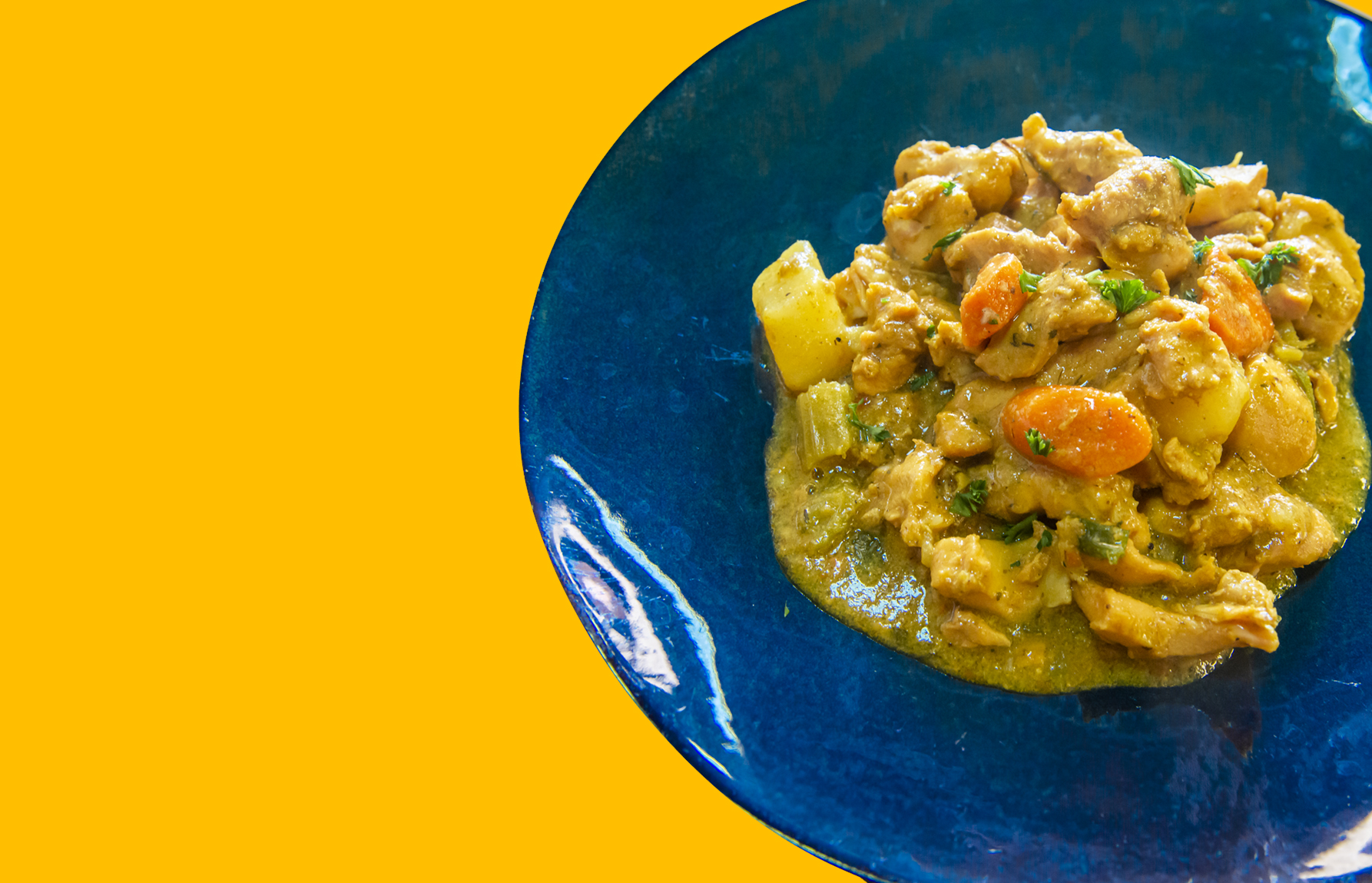
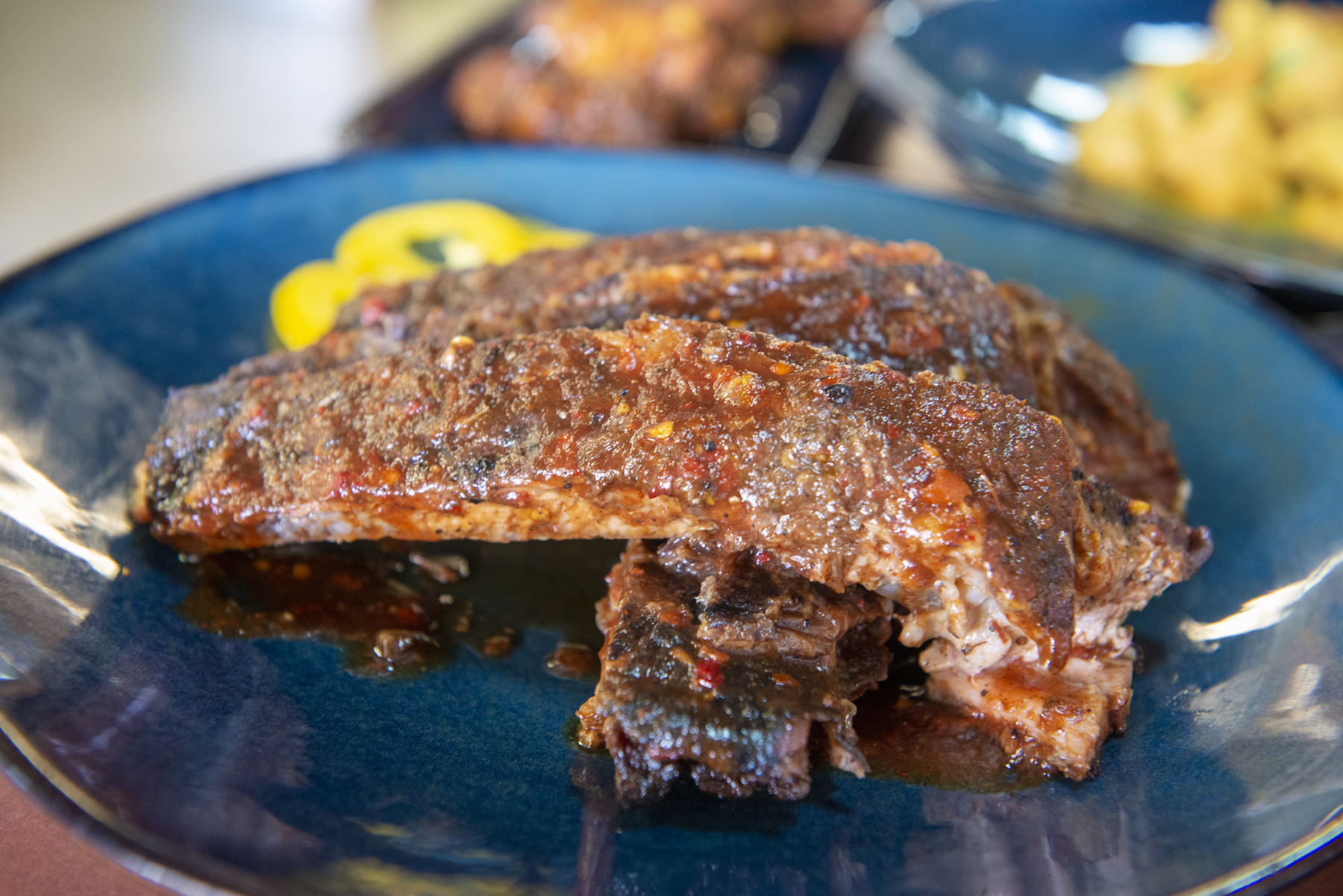
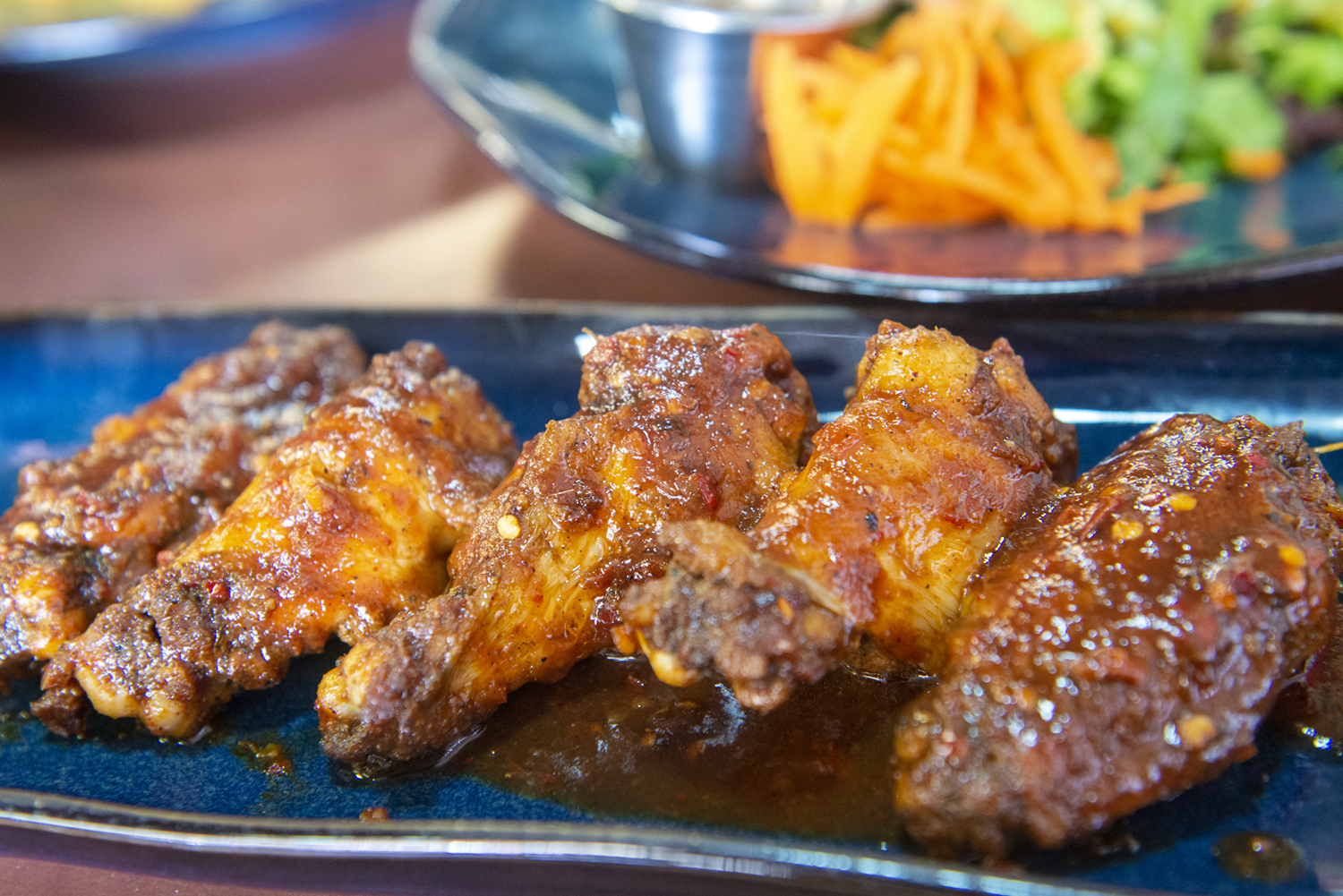
Denver is not the first city most travelers associate with Jamaican cooking, which is exactly why it can surprise you. The local food scene has grown beyond the predictable staples, and Caribbean kitchens across the metro area now serve food with real character, from smoky jerk chicken and slow-braised oxtail to flaky patties and deeply spiced curry goat. For a first-time visitor, the challenge is not whether good Jamaican food exists here. It does. The challenge is knowing where to start, what to order, and how to tell the difference between a casual plate that scratches an itch and a meal worth planning your day around.
Jamaican food rewards curiosity. It also rewards patience. The best versions of many dishes are not rushed, and the restaurants that do them well often have their own rhythm. Some are tiny counter-service spots. Some operate like neighborhood takeout joints where regulars already know what they want before they reach the register. Others lean into a broader Caribbean menu, mixing Jamaican classics with island favorites from nearby traditions. If you are visiting Denver and want the strongest first impression possible, it helps to know a little about the food before you order.
What makes Jamaican food distinct in Denver
Denver diners tend to be adventurous, but altitude, climate, and local supply chains still shape what ends up on the plate. You may notice that the best Jamaican food in Denver often comes from places that focus on technique and seasoning rather than trying to mimic a beach-town atmosphere. That is a good thing. Strong Jamaican cooking is not about décor. It is about balance: heat against sweetness, smoke against fresh herbs, rich braises tempered by rice, peas, and crisp slaw.
One thing first-time visitors should understand is that Jamaican food covers a wide range of textures and moods. A lunch of jerk chicken can feel bright, charred, and energetic. A dinner of oxtail with rice and peas is slower, heavier, and deeply comforting. Ackee and saltfish, when available, lands somewhere else entirely, savory and delicate with a soft, almost buttery texture. Good cooks know when to push Scotch bonnet heat and when to hold back. Great cooks know that every side dish matters.
Denver’s Jamaican spots also vary in how traditional they are. Some kitchens stay close to familiar home-style plates. Others adapt slightly to local tastes, toning down spice levels or broadening the menu to appeal to a wider audience. Neither approach is automatically better. If you are a first-time visitor, what matters most is choosing a place that treats the core dishes with respect.
The dishes worth ordering on your first visit
If you only get one Jamaican meal in Denver, choose a restaurant that handles the classics properly. These are the plates that tell you the most about a kitchen.
- Jerk chicken, preferably with visible char, juicy meat, and a marinade that tastes of allspice, thyme, scallion, and Scotch bonnet rather than generic barbecue sauce.
- Oxtail, cooked until the meat yields easily but still holds shape, with a rich gravy that soaks into rice and peas.
- Curry goat, which should taste earthy, aromatic, and slow-cooked, not merely spicy.
- Beef patty, ideally flaky and well-seasoned, perfect for a quick lunch or a first bite while you wait on a larger order.
- Rice and peas with plantains, because sides are not an afterthought in Jamaican cooking. They complete the meal.
A first-timer often gravitates to jerk chicken, and that instinct is usually right. It is the most recognizable dish, and when it is done properly, it gives you a clear read on the kitchen. The chicken should carry layers of seasoning beyond heat alone. You want smoke, herbaceousness, salinity, and a touch of sweetness from caramelization. If the meat tastes flat under the surface, the marinade did not do enough work.
Oxtail is the dish I recommend to visitors who want the deepest sense of Jamaican comfort food. It is expensive almost everywhere now, which makes it a revealing order. A restaurant charging a premium for oxtail should deliver serious flavor and tenderness. The gravy should feel silky and concentrated, not watery. The beans in the rice and peas should be intact, and the rice should not collapse into mush under the sauce. When all of that comes together, it is one of the best meals you can find in Denver, Jamaican or otherwise.
Curry goat is a strong second choice if you prefer aromatic spice over smoke. The good versions have real depth from curry powder, garlic, ginger, thyme, and long cooking. Goat has a distinct flavor that some first-timers find bolder than beef or chicken, but that is part of the appeal. If you have spent time in Caribbean or West Indian restaurants elsewhere, this is often the dish that tells you whether a kitchen understands restraint. The spices should bloom, not shout.
Where first-time visitors should start
Denver’s restaurant landscape changes regularly, and independent Caribbean spots can have shifting hours, pop-up service, or menu changes based on staffing and ingredient availability. Because of that, the smartest approach is to look for places with a strong local following, then check recent hours before heading over. In my experience, the best Jamaican food in Denver tends to appear in modest spaces rather than high-profile dining rooms. That should not discourage you. It should sharpen your expectations in the right direction.
Neighborhood matters less than execution, but logistics still count if you are visiting. If you are staying downtown, RiNo, Capitol Hill, or near the convention center, you may need to rideshare or drive to reach some of the stronger options. That is normal. Denver is spread out, and some of the city’s best meals are not clustered in tourist-heavy districts. Build the trip around the food rather than assuming the food will be around the corner.
What should you look for when choosing a place? Start with signs of focus. A shorter menu with several well-known Jamaican staples is often more promising than a sprawling one trying to cover too much territory. Read photos carefully. Jerk chicken should look dark and charred in places, not pale or lacquered like standard grilled chicken. Oxtail gravy should look glossy and substantial. Plantains should show caramelized edges, not a faint warming.
Also pay attention to who the restaurant seems to serve. A mix of local regulars, takeout traffic, and repeat lunch customers is a very good sign. Restaurants rooted in community tend to keep their best dishes consistent because people notice when they slip.
How to order without missing the point
Ordering Jamaican food for the first time is easier if you think in combinations rather than isolated entrées. The plate is built as a whole. Rice and peas, steamed cabbage, slaw, plantains, festival, and sauces all shape the final experience. Visitors sometimes focus so hard on the protein that they overlook the elements that make the meal satisfying.
If you are dining with one other person, a practical move is to split two main dishes. Jerk chicken plus oxtail gives you the sharpest contrast between smoke and braise. Jerk chicken plus curry goat works https://griffinimhw969.focalledger.com/posts/best-jamaican-food-in-denver-where-to-find-authentic-island-flavor well if you want a broader view of the spice spectrum. Add one or two patties at the beginning if you arrived hungry. It is an easy way to sample the kitchen without overcommitting.
Heat levels vary more than many people expect. Not every Jamaican restaurant in Denver serves aggressively spicy food by default. Some kitchens leave the true heat in the sauce or on the side, which is often the right call. Ask whether the jerk is mild, medium, or hot, but understand that these terms are subjective. If you truly enjoy heat, request the house hot sauce or pepper sauce and use it gradually. Scotch bonnet has a fruity, immediate burn that can sneak up on you.
If ackee and saltfish is on the menu, especially as a breakfast or weekend special, it is worth serious consideration. Ackee is the national fruit of Jamaica, though in savory form it resembles soft scrambled eggs more than fruit. Paired with salted cod, onion, tomato, and peppers, it makes a nuanced dish that many first-time diners never try simply because they do not know what it is. In a city where Jamaican restaurants may not offer it every day, availability alone can be a clue that the kitchen is cooking from a more traditional center.
The sides separate decent meals from memorable ones
A lot of visitors underestimate Jamaican sides because they sound familiar on paper. Rice and peas, cabbage, fried plantains, maybe macaroni and cheese if the restaurant includes it. But anyone who eats this food regularly knows the side dishes can determine whether the plate feels balanced or blunt.
Rice and peas should have flavor of its own. Coconut milk, thyme, scallion, and kidney beans or gungo peas can all contribute to a rice dish that does far more than fill space. Dry, bland rice is one of the clearest signs of a weak kitchen. It forces the meat to carry too much.
Plantains are another giveaway. They should be ripe enough to bring sweetness and soft enough in the center to contrast with crisp edges. Under-ripe plantains can feel starchy and dull. Overcooked ones turn limp and syrupy. Good plantains sit right in the middle, almost like a savory dessert that happens to belong on the same plate as jerk chicken.
Steamed cabbage does a quiet but important job. It brings freshness, mild sweetness, and relief from rich meats and heavy gravies. The best versions are tender without becoming lifeless, and seasoned enough to stand on their own. Slaw can play a similar role, especially if the kitchen gives it enough acidity to cut through oil and spice.
Then there is festival, if the restaurant offers it. Festival is a slightly sweet fried dough, often served alongside jerk meats. For first-time visitors, it can be the sleeper hit of the meal. A bite of hot jerk chicken followed by festival explains a lot about why Jamaican food feels so complete when it is done right.
What to expect from service and timing
One of the easiest mistakes tourists make is imposing fast-casual expectations on restaurants that cook more traditionally. Jamaican food can be quick if the trays are stocked and the lunch rush is moving, but some of the best versions come with a bit of waiting. That is not inefficiency. It is usually a sign that the kitchen is handling real food in real time.
Service style in Denver’s Jamaican spots often skews warm but direct. You may get a detailed menu explanation, or you may get a brisk, practical exchange if the staff is busy and the line is moving. Do not misread that. Many beloved neighborhood restaurants operate with a no-nonsense cadence during peak hours. If you have questions, ask them clearly and early.
For first-time visitors, these habits help:
- Check the restaurant’s hours the day you plan to go, especially on Sundays and Mondays.
- Go a little before the main lunch or dinner rush if you want time to ask questions.
- Expect some popular items to sell out late in the day, particularly oxtail and patties.
- If spice matters to you, ask whether heat comes in the dish or on the side.
- Order extra sauce if you are taking food back to a hotel, because rice dries out faster than most people expect.
Takeout is common, and in some places it is the default. That does not mean the food is less authentic or less carefully made. In fact, a packed takeout counter can be one of the strongest signs you are in the right place. Just be aware that fried items and jerk chicken skin lose some texture in transit. If you can eat on site, you will usually get a better first impression.
The difference between jerk and barbecue, and why it matters
Visitors sometimes approach Jamaican jerk as if it were simply a Caribbean version of American barbecue. The overlap is understandable. Both rely on smoke, fire, and seasoning. But the flavor logic is different. Jerk is built on a paste or marinade that often includes allspice, thyme, scallion, garlic, ginger, Scotch bonnet, and other aromatics, then cooked over pimento wood in the ideal traditional form, though many restaurants adapt to what is practical. The result is a flavor profile that is hotter, more herbal, and more spice-layered than most American barbecue.
Why does this matter in Denver? Because some restaurants soften jerk to fit broad expectations. They may sweeten it too much or present it like spicy grilled chicken with a side of sauce. That can still be enjoyable, but it misses the point. Good jerk should taste integrated. The seasoning belongs to the meat, not just the exterior.
If you see jerk pork on a menu, consider ordering it if you eat pork. It is less universal than jerk chicken, but often more expressive. The fat carries spice beautifully, and the texture can be superb when cooked with care. For some seasoned diners, jerk pork is the real test dish.
If you only have one meal
A visitor with one shot at Jamaican food in Denver should keep the order simple and strategic. Start with a patty if you are curious. Then choose either jerk chicken or oxtail based on your mood. If you like bright smoke and chile heat, go jerk. If you want rich, slow-cooked depth, go oxtail. Make sure the plate includes rice and peas, plus at least one balancing side such as plantains or cabbage. If you are sharing, add curry goat.
Do not overload the table with extras just because the menu is tempting. Jamaican cooking can be surprisingly filling, especially at restaurants that serve generous portions. It is better to eat one complete plate with attention than to scatter your appetite across too many dishes and miss the nuances.
A lot of first-timers also wonder whether they should seek out rum cake, sorrel, or other Jamaican drinks and desserts. If available, yes, especially if you want a fuller sense of the cuisine beyond the savory standards. Sorrel, with its tart, spiced brightness, can be particularly refreshing beside rich food. But if your time is limited, spend it on the core savory dishes first.
Why Denver’s Jamaican restaurants are worth seeking out
Part of the pleasure of eating Jamaican food in Denver comes from the contrast itself. You are in a landlocked city known for green chile, craft beer, and mountain-bound appetites, yet here are kitchens turning out peppery braises, fragrant curries, and jerk that can hold its own against more famous food cities. That contrast sharpens the experience. It also says something good about Denver’s culinary maturity. The city has reached a point where many diners are willing to travel for specificity.
That matters for visitors. You do not need a city to be historically defined by a cuisine in order to eat that cuisine well there. You need cooks who care, a local audience that returns, and enough community support to keep traditions alive. Denver has all three, though not always in the most obvious places.
For travelers searching specifically for jamaican food denver options, the smartest strategy is to stay flexible. Follow current opening hours, check whether signature dishes are available that day, and be willing to drive a little. The reward is a meal that feels grounded rather than generic.
A final note for first-time visitors: trust the plate more than the marketing. A humble storefront with excellent oxtail and serious jerk seasoning will always beat a polished room with vague island branding and timid food. Jamaican cooking announces itself once the fork hits the rice. If the spices are alive, the sides are thoughtful, and the meat tastes like it was given time, you found what you came for.
Reggae Pot Jamaican Grill
Address: 2243 S Monaco St Pkwy #104, Denver, CO 80222
Phone number: +17204102956
FAQ About Jamaican Food Denver
What is typical Jamaican food?
Typical Jamaican food features bold, vibrant flavors created by blending African, Taino, European, and Asian influences.
What is a famous Jamaican dish?
Ackee and saltfish is Jamaica's national dish, made by sautéing the soft local ackee fruit with salted cod, onions, tomatoes, and spicy Scotch bonnet peppers.
What food is most popular in Jamaica?
The most popular and famous food in Jamaica is Jerk Chicken, celebrated worldwide for its smoky, spicy flavor.