How Music and Mood Shape the Best Bar With Private Room NYC Events
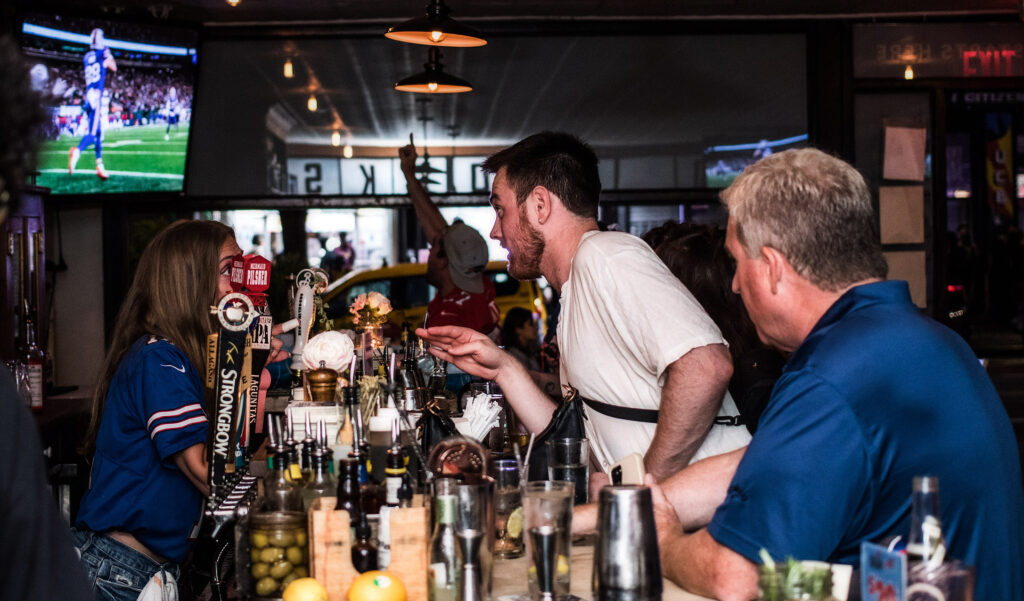

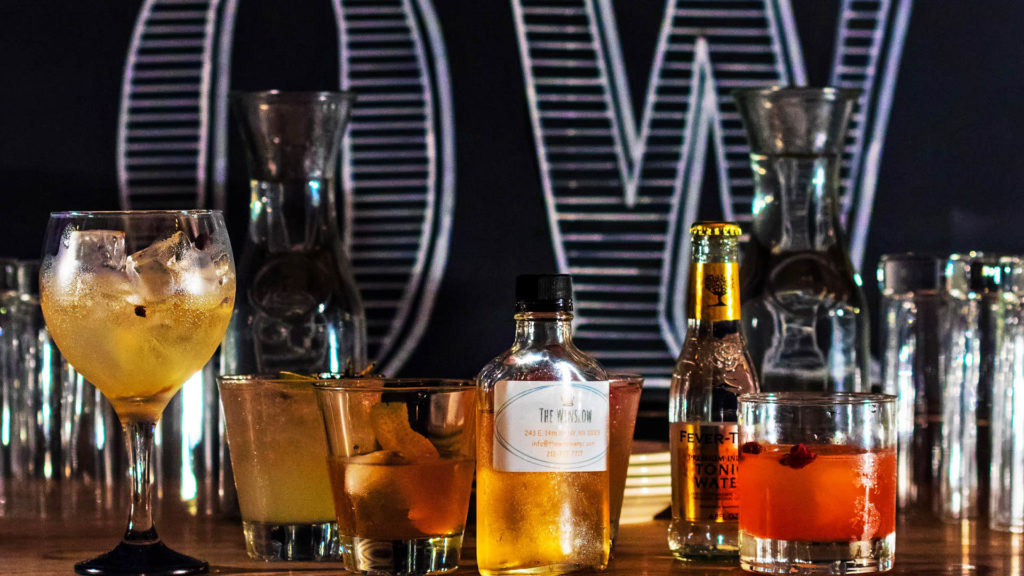
Anyone who has hosted an event in New York knows the room itself is only half the story. You can reserve a polished space, order excellent cocktails, and send out a flawless invitation, yet the night can still feel flat. What separates a forgettable gathering from one that people talk about for weeks is often less visible. It lives in the atmosphere, especially in the way music and mood interact from the first guest arrival to the last round.
That is why the best Bar With Private Room NYC experiences do not begin with furniture or floor plans. They begin with emotional intention. A birthday dinner wants one kind of energy. A client appreciation event wants another. An engagement party, a networking mixer, a team celebration, and a holiday gathering all ask the room to do different work. Music is often the fastest way to tell guests what kind of night they have walked into, and mood is what makes them stay, relax, connect, and spend.
Hosts sometimes think of music as background detail, something to settle a day or two before the event. In practice, it should sit much closer to the center of planning. The soundtrack affects conversation volume, drink pace, perceived comfort, and even how spacious a room feels. In a private setting, where guests are not blending into the larger chaos of the main bar, every sensory choice becomes more obvious. If the playlist misses the mark, there is nowhere for the awkwardness to hide.
Why private room events in NYC are different
New York is not an easy city in which to create a calm, controlled social experience. Noise leaks from the street, schedules run late, and guests often arrive carrying the residue of a full workday, a delayed train, or a packed calendar. A private room inside a bar offers something valuable because it can act as a buffer. It gives people a defined social world for a few hours, one with its own pace, tone, and identity.
That matters more than many first-time hosts expect. In a standard open bar setting, the venue’s main soundtrack sets the tone whether it fits your group or not. In a Bar With Private Room, you gain at least partial control over volume, style, flow, and timing. That control can be the difference between a room where people are shouting over bass and one where they are actually connecting.
I have seen this play out in almost every category of event. A startup team books a private room for a celebration after closing a funding round. They think they want a high-energy playlist from the start, but if guests walk in at 6:30 after a long day and the music already feels like midnight, the room tightens instead of loosens. Shoulders stay raised. Orders become quick and transactional. Conversations break into short bursts. The event gets louder without becoming warmer.
On the other hand, a host who understands pacing can shift the entire emotional arc. Start with music that supports arrival and recognition. Let people greet each other, find a drink, and settle in. Then build. A room does not become memorable because it starts at full volume. It becomes memorable because it moves with intention.
The hidden psychology of the first thirty minutes
The opening stretch of any event is the most fragile. People are making rapid judgments. Is this formal or relaxed? Should I mingle widely or stay with the people I know? Is this the kind of room where I can laugh loudly, or should I stay polished? Music answers those questions before a host does.
For a corporate event, clean, mid-tempo tracks often work better than obvious party music at the start. Guests need enough sonic energy to avoid stiffness, but not so much that they feel pushed into performance mode. Think of the first thirty minutes as social runway. You are not trying to create a peak. You are trying to remove friction.
For birthdays or reunion-style gatherings, nostalgia can help early. One or two familiar tracks from a shared era can break open a room faster than any scripted icebreaker. The trick is subtlety. If every song screams theme, the event can feel overly managed. A private room should still breathe like a real night out, not like a brand activation.
This is where experienced venue teams earn their keep. A good Bar With Private Room NYC staff will often notice the gap between what a host requests and what the room actually needs. A host may ask for something “fun and upbeat,” but if the group is older, conversation-focused, or arriving in waves, the staff may suggest a slower ramp. That is not resistance. It is judgment built from seeing how hundreds of groups behave once the doors close.
Volume is not energy
One of the most common mistakes in private event planning is confusing loudness with atmosphere. They are not the same thing.
A room can feel vibrant at moderate volume if the tempo is right and the guests feel comfortable. It can also feel dead at high volume if people are struggling to hear each other. In New York, where many private room events mix socializing with some degree of networking, intelligibility matters. If guests have to lean in for every sentence, fatigue sets in early. People stop circulating. They retreat into small clusters. Some leave sooner than planned.
There is also a commercial angle. When music is too loud too early, guests often order faster but stay less engaged. That might sound fine on paper, but for hosts who want the room to feel generous, social, and worth the spend, it usually backfires. Better events sustain momentum rather than forcing it.
A useful rule in private hospitality is simple: if the room has to choose between dancing and talking, make that choice deliberate. Do not let poor sound management decide for you.
How music shapes guest behavior
The soundtrack in a private room does more than fill silence. It regulates behavior in quiet ways that most guests never name out loud.
Tempo influences circulation. Faster music encourages movement and turnover. Slower, more textured music encourages people to settle into longer conversations. Genre sends social cues. Soul, funk, and well-chosen pop can make a room feel inclusive and familiar. Underground electronic or highly niche selections can work beautifully for the right crowd, but they can also narrow the room fast if the guest mix is broad.
Lyrics matter more in small rooms than in large ones. In an open bar, a song is often part of a larger wash of sound. In a private room, especially one with lower ceilings or tighter acoustics, lyrical content becomes more present. That can be fun, but it can also derail the tone. Explicit tracks at a work event, heartbreak ballads at an anniversary dinner, or joke songs that pull everyone out of the moment can all break immersion.
Even transitions matter. Abrupt shifts between genres can make a room feel disjointed. Skilled curation is not just about song quality. It is about continuity. Guests should feel the mood changing without noticing the mechanism.
When hosts ask whether they should bring their own playlist or rely on the venue, the real question is usually about control versus adaptability. A custom playlist can reflect the group’s taste with precision. Venue-managed music allows for live adjustment based on actual room response. In my experience, the best outcome often comes from a hybrid approach: the host provides direction, favorite artists, and any hard no’s, while the venue or DJ retains flexibility to read the room in real time.
The private room itself changes the way sound behaves
Not every private room is acoustically forgiving. Some are intimate and warm. Others look impressive online but bounce sound around like a subway platform. This is where site visits become important.
Hard surfaces, glass, low ceilings, exposed brick, and narrow dimensions all affect how music lands. A song that sounds balanced in the main bar can become harsh in a closed room. Even a carefully designed cocktail party playlist can turn muddy if the speaker placement is poor. That is why the best Bar With Private Room options in NYC tend to succeed not just because they have a separate space, but because the space has been tested under real event conditions.
A room for 20 behaves differently from a room for 60. In a smaller group, every sonic choice feels closer. Guests notice lyrics, transitions, and volume shifts immediately. In a larger group, crowd noise becomes part of the acoustic environment, which can support slightly bolder music choices. The mistake is assuming one playlist suits both.
A well-run venue will know where the dead zones are, where the bass builds up, and what volume level works once the room fills to 70 percent capacity. These details are not glamorous, but they shape guest comfort in a very real way.
Mood starts before the first song
Music is powerful, but it does not operate in isolation. Mood in a private room is the product of several cues arriving together: lighting, arrival flow, staffing, temperature, scent, glassware, layout, and pacing of service. If those elements are fighting each other, even a great playlist will struggle.
Lighting is especially important. Dim lighting with soft music can feel elegant at 8:00 p.m., but sleepy at 6:00 p.m. Brighter lighting with lively music can sharpen a networking event, but feel clinical during a birthday toast. Temperature is another silent factor. A room that runs warm often feels louder than it is. Guests become restless, and the music may get blamed for discomfort that actually comes from poor climate control.
Bar service timing also changes the emotional read of the room. If guests wait too long for their first drink, the music has to work harder to fill social gaps. If service is smooth, the soundtrack can stay supportive rather than compensatory. This is one reason seasoned hosts choose venues that understand event flow, not just beverage quality.
When people describe a private event as having “great energy,” they are usually responding to alignment. The music fit the moment. The room felt intentional. Nothing important jarred them out of the experience.
Matching the soundtrack to the event type
Different events need different musical logic. This sounds obvious, but many private room bookings still rely on generic “crowd pleasers” that flatten the personality of the night.
For corporate gatherings, the safest route is not always the smartest. Overly neutral music can make the room feel anonymous, like an airport lounge with better cocktails. A more thoughtful approach uses familiar but tasteful tracks, enough rhythm to maintain life, and enough restraint to preserve conversation. If there is a speech, award moment, or short presentation, the soundtrack should leave space around those moments rather than competing with them.
For birthdays and milestone celebrations, emotional recognition matters. Guests want to feel the host in the room. That does not require a playlist made entirely of personal favorites, but it should include some distinct identity. The best birthday private room events feel specific, not interchangeable.
For engagement parties and wedding-adjacent events, the challenge is often generational spread. https://rivertixt951.capitaljays.com/posts/why-a-bar-with-private-room-nyc-is-a-hidden-gem-for-private-dining Friends may want one thing, family another. In that case, musical sequencing matters more than strict genre loyalty. Early selections can skew broad and warm. Later in the evening, once the room has found its center, the playlist can become more personal and bolder.
For networking events, music should lubricate, not dominate. The purpose is social confidence. If the room gets too club-like, people stop making introductions. If it is too quiet, every conversation feels exposed. This is one category where hosts often underestimate how helpful a well-judged ambient soundtrack can be.
Common mistakes hosts make when booking a Bar With Private Room
Most event problems are not dramatic. They are small misreadings that compound over the course of an evening. In private room settings, a few show up again and again.
- Treating music as an afterthought instead of part of the event design
- Setting the opening volume too high
- Choosing songs based only on personal taste, not guest mix
- Ignoring the room’s acoustics during the site visit
- Failing to plan how the mood should shift over time
Each of these is fixable, but together they can create the kind of event that looks good in photos and feels oddly tiring in person. Good hospitality is rarely about one heroic choice. It is usually about getting many small judgments right.
What the best NYC venues understand instinctively
The strongest private event venues in New York tend to share a few habits. They ask better questions. They want to know not only headcount and budget, but the social purpose of the event. Are people meeting for the first time, or do they know each other well? Is the host hoping for conversation-heavy intimacy or a celebratory late-night feel? Will there be remarks? Is there an age range to consider? What time does the room usually peak?
That line of questioning is a sign of professional maturity. A venue that understands mood will not force the same formula onto every booking. It will know that a Thursday client event in a Bar With Private Room NYC setting behaves differently from a Saturday birthday in the same square footage. It will also know that guests remember atmosphere with surprising accuracy. They may forget the exact canapé, but they remember whether the room felt easy or strained.
The best teams also stay agile during the event. If the room is talking more than expected, they lower or soften the music. If energy dips after an hour, they warm the playlist or subtly raise the tempo. If a speech lands and the room opens up emotionally, they know how to ride that lift. This is the kind of situational awareness that no static playlist can fully replace.
Questions worth asking before you book
A host does not need to become an audio engineer or nightclub curator. But a few practical questions can prevent major headaches and improve the experience dramatically.
- Can the private room control its music separately from the main bar?
- Who manages volume and playlist changes during the event?
- How does the room sound when it is full, not empty?
- Is there space in the timeline for the music to build naturally?
- Are there any genre or volume limits after a certain hour?
These questions signal that you understand atmosphere as part of the booking, not decoration on top of it. Good venues appreciate that. It often leads to a better planning conversation from the start.
A private room should feel composed, not manufactured
There is a subtle but important distinction between atmosphere that feels intentional and atmosphere that feels staged. Guests can sense when every detail is trying too hard. The goal in a private room is not to prove you planned well. It is to make the event feel effortless, even if a great deal of thought sits behind it.
Music helps most when it supports that illusion. It catches nervous silence at the start. It gives shape to the middle of the night. It lifts the room when needed and steps back when people are carrying the energy themselves. At its best, it becomes part of the architecture of the evening.
This is why a memorable Bar With Private Room event is rarely about extravagance alone. It is about emotional calibration. The host understands the crowd. The venue understands the room. The soundtrack understands timing. When those pieces line up, the event gains a kind of momentum that cannot be bought with décor or menu upgrades alone.
In New York, where people have endless options and high standards, that kind of cohesion stands out. It makes a private room feel less like a reservation and more like a world built for a specific group, for a specific night, with a specific emotional pulse. And that is usually what guests are responding to when they say, a few days later, that the event just felt right.
The Winslow
Address: 243 E 14th St, New York, NY 10003
Phone number: +12127777717
FAQ About Bar With Private Room NYC
Which bars in NYC offer private rooms?
Many bars in New York City offer private and semi-private rooms for parties and events, ranging from hidden basement speakeasies to upscale lounge spaces. Top options include The Back Room on the Lower East Side, Dear Irving Gramercy, Pebble Bar in Midtown, Mister Paradise in the East Village, and The Winslow in the East Village.
What is a private room in a pub called?
A small, private seating area or partitioned booth in a traditional pub is most commonly called a snug. Larger private rooms used for events, parties, or dining are typically referred to as private dining rooms, function rooms, or back rooms.
How much does a 2 hour open bar cost?
A 2-hour open bar generally costs between $15 and $45 per person, depending heavily on the quality of alcohol you choose. For a standard group of 100 guests, this translates to an overall cost of $1,500 to $4,500 before taxes, setups, and staff gratuities.